
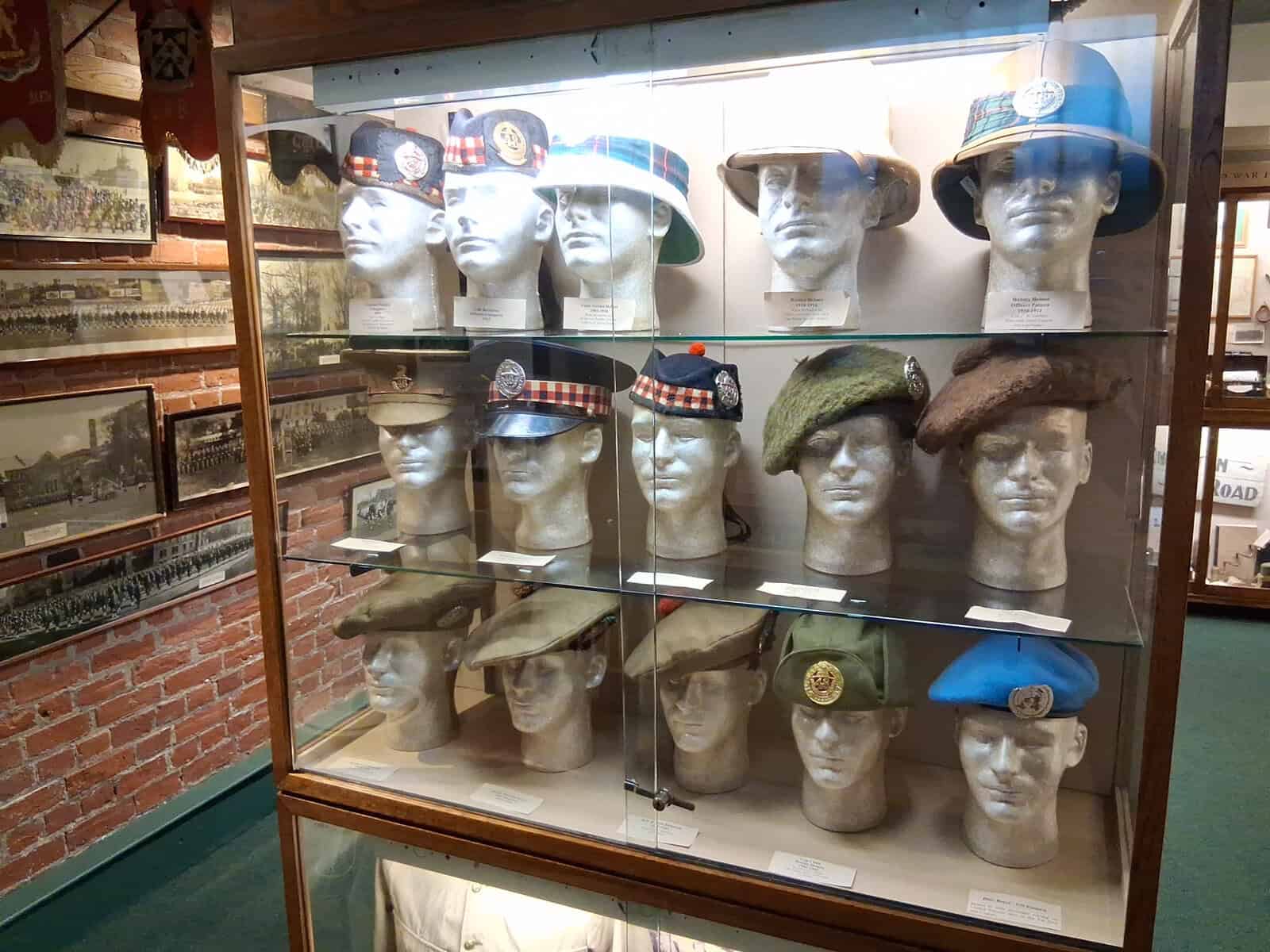
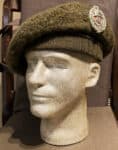
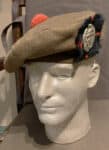
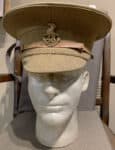
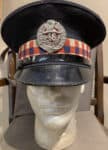
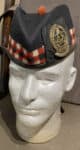
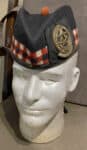
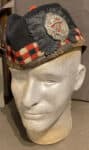
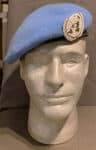

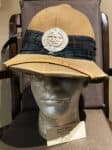
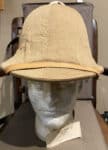
Headdress in the Canadian Army has deep historical roots and remains an important symbol of identity, heritage, and esprit de corps. From Confederation to the present, authorized headdress has evolved alongside changes in uniform, function, and tradition. While combat headdress such as the helmet or tactical cap is designed purely for protection and utility, non-combat headdress is rich in ceremonial and Regimental meaning.
Historically, Canadian units inherited British military headdress traditions, including the forage cap, glengarry, tam o’shanter, balmoral, and feather bonnet. In the 20th century, the service dress cap and beret became widespread, supplemented by regimental distinctions.
Today, the 48th Highlanders of Canada maintain only three authorized headdresses beyond combat protective gear: the glengarry, the balmoral, and the feather bonnet. The glengarry was officially authorized when the regiment was gazetted in 1891. The balmoral was approved in 1914 and remains an option for less formal dress. The feather bonnet, with its tall black ostrich plumes, is reserved for full dress ceremonial occasions.
A critical element of each headdress is the cap badge. While the shape of the bonnet or glengarry declares, “I am a Highlander,” the badge goes further: it announces specifically, “I am a 48th Highlander.” The badge combines the regimental name and symbols unique to the unit. It is a visible mark of belonging, pride, and the legacy carried forward by each soldier.