39 -

Highlanders from First Nations

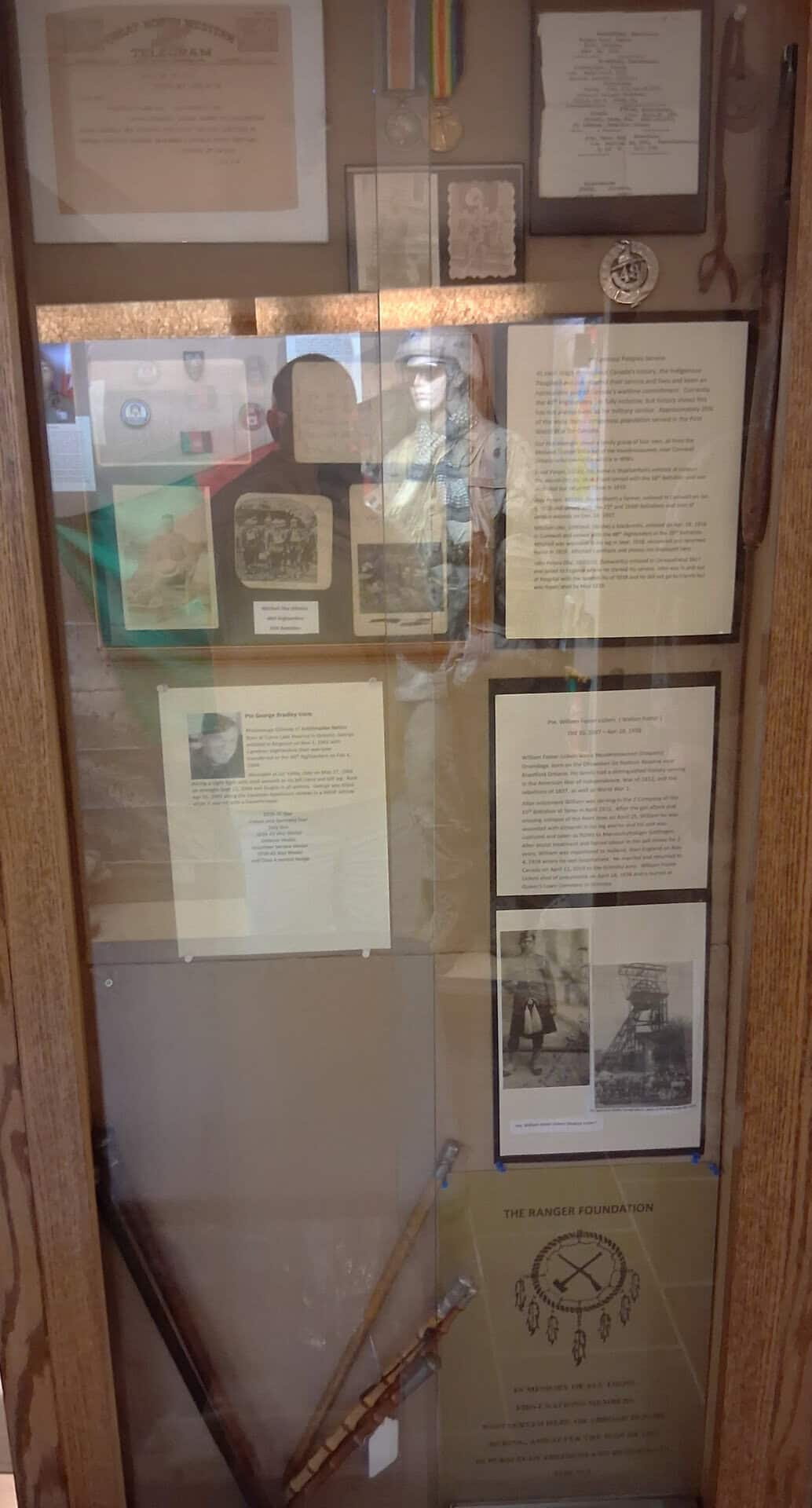
Location: Display case second from the left of the Memorial Wall.

Artifacts

Below are the records relating to the artifacts in this display. Tap/click to open the detailed description. For some displays we have Recommended particular artifacts. 

ImageTitle
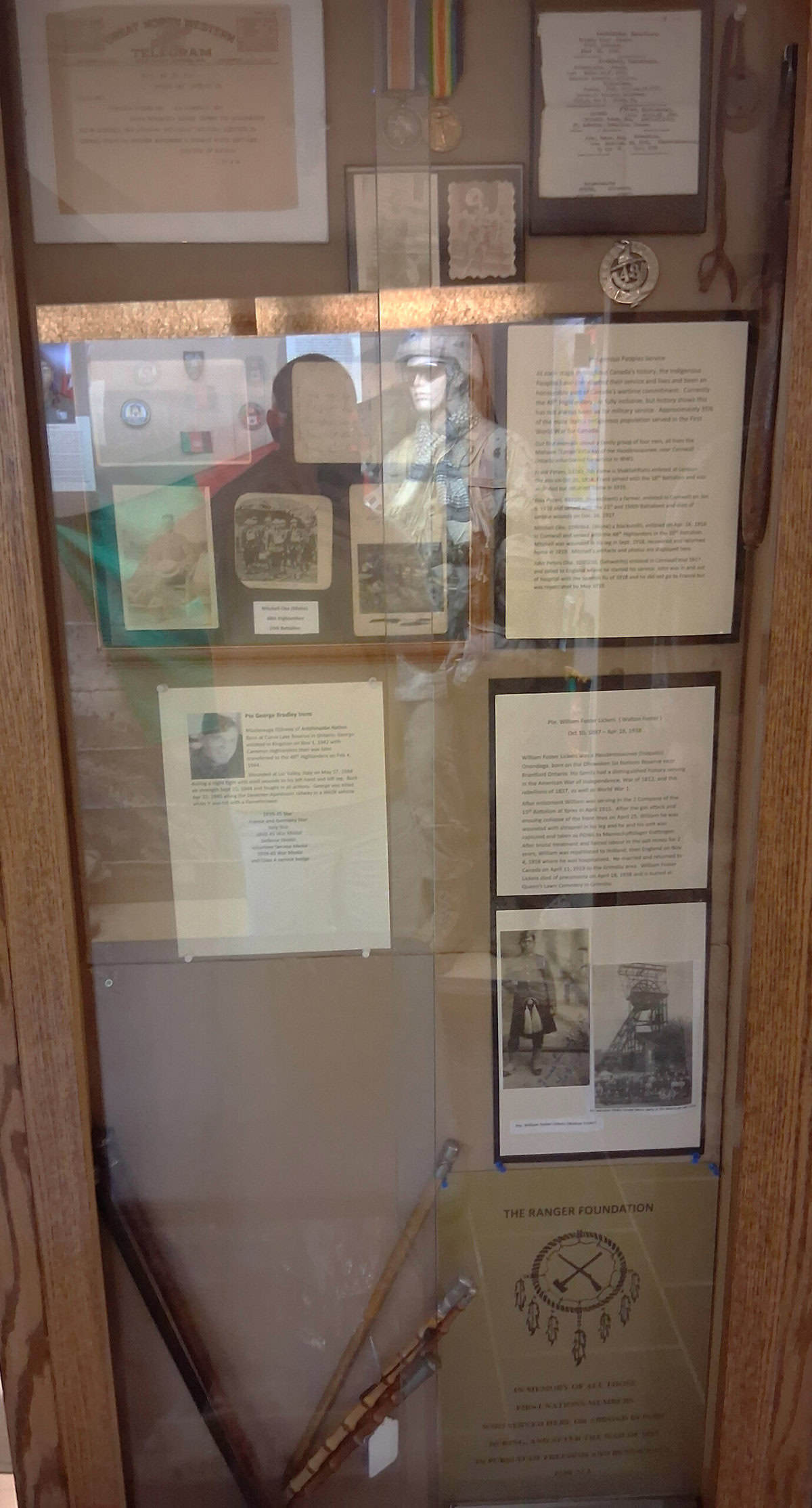
1090464 Mitchell Peters Oke – 15th Bn
1090464 Mitchell Peters Oke – Medals -15th Bn
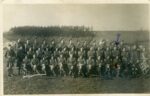
1090464 Mitchell Peters Oke – wearing gas masks
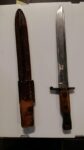
Mitchell Oke – Bayonet and sheath – WW1
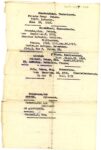
Mitchell Oke – brothers list of names
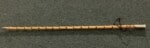
Officers Swagger Stick – Reverend Stuart Crawford Parker
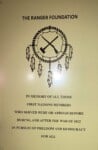
Plaque – The Ranger Foundation
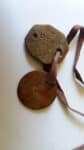
Pte. Mitchell Oke – ID Tags
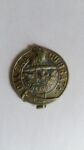
Pte Mitchell Oke – 48th Highlander Cap Badge
Swagger sticks
Telegram reporting wounding of Mitchell Oke
Warriors & Nations – interpreted by Jean Miso

Audio guide

(81 seconds)

First Nations soldiers have played a vital, often under-recognized role in Canada’s military. Members have been part of the 48th Highlanders in both World Wars and the post war periods.

WWI During the First World War, more than 4,000 Indigenous men enlisted, despite initial government resistance to their participation. One in three able-bodied First Nations men of military age joined, serving in every major theatre of war. Their bravery was undeniable—at least 50 were awarded medals for heroism, and many gave their lives on foreign soil.

Pte Mitchell Peter Oke from Cornwall Island attested into the 253rd Battalion (Queen’s University Highlanders) Kingston. He was sent in a reinforcement draft from the 253rd Bn to the 15th Bn (48th Highlanders) on 25 November 1917 and assigned to No. 2 Company. He served two attachments to the 3rd Australian Tunnelling Company before being wounded on 01 Sept 1918 during the attack on the Crow’s Nest.

WWII In World War II, indigenous enlistment continued, with 3,000 – 4,500  joining the Canadian forces. The exact number is not known, as Inuit, Métis, and non-Status Indigenous peoples were not recorded officially as Indigenous upon enlistment. They served as infantrymen, snipers, scouts, and in support roles, often drawing on traditional skills and deep knowledge of the land.

Pte George Bradley Irons was born at Curve Lake, Ontario on 16 July 1909. A proud member of Canada’s Anishinaabe First Nations community, he spoke fluent English and Ojibwe. He enlisted in August 1942 and, after basic training, was taken on strength of the Cameron Highlanders of Ottawa. On the 4th of February 1944, he joined the 48th Highlanders of Canada. He was wounded in Italy in May 1944. Sadly, Private George Bradley Irons was killed in action on April 13, 1945, during the Liberation of Twello in the Netherlands—part of the final Allied push in the Second World War.

Despite their service, many Indigenous veterans returned to face the same systemic inequalities they had known before the war—denied benefits and recognition afforded to their non-Indigenous peers. Yet their commitment to Canada never wavered.

Today, First Nations soldiers serve with distinction in the Canadian Armed forces, contributing to peacekeeping missions domestic operations. In Canada, the Rangers bring their unique skills and knowledge of the land to the north and the remote Arctic area. Their legacy is one of resilience, loyalty and courage – an enduring testament to their place in Canada’s military story.

Now, a platoon photograph, and one soldier in it is waiting on your screen.

Look at the list of artifacts for this display. Find the photograph titled Mitchell Peters Oke, Fifteenth Battalion, and tap it.

What was Private Oke’s Mohawk name? And how many of his brothers also served in the war?

Only the photograph’s own page can tell you.
Highlanders from First Nations

Audio guide

(81 seconds)

First Nations soldiers have played a vital, often under-recognized role in Canada’s military. Members have been part of the 48th Highlanders in both World Wars and the post war periods.

WWI During the First World War, more than 4,000 Indigenous men enlisted, despite initial government resistance to their participation. One in three able-bodied First Nations men of military age joined, serving in every major theatre of war. Their bravery was undeniable—at least 50 were awarded medals for heroism, and many gave their lives on foreign soil.

Pte Mitchell Peter Oke from Cornwall Island attested into the 253rd Battalion (Queen’s University Highlanders) Kingston. He was sent in a reinforcement draft from the 253rd Bn to the 15th Bn (48th Highlanders) on 25 November 1917 and assigned to No. 2 Company. He served two attachments to the 3rd Australian Tunnelling Company before being wounded on 01 Sept 1918 during the attack on the Crow’s Nest.

WWII In World War II, indigenous enlistment continued, with 3,000 – 4,500  joining the Canadian forces. The exact number is not known, as Inuit, Métis, and non-Status Indigenous peoples were not recorded officially as Indigenous upon enlistment. They served as infantrymen, snipers, scouts, and in support roles, often drawing on traditional skills and deep knowledge of the land.

Pte George Bradley Irons was born at Curve Lake, Ontario on 16 July 1909. A proud member of Canada’s Anishinaabe First Nations community, he spoke fluent English and Ojibwe. He enlisted in August 1942 and, after basic training, was taken on strength of the Cameron Highlanders of Ottawa. On the 4th of February 1944, he joined the 48th Highlanders of Canada. He was wounded in Italy in May 1944. Sadly, Private George Bradley Irons was killed in action on April 13, 1945, during the Liberation of Twello in the Netherlands—part of the final Allied push in the Second World War.

Despite their service, many Indigenous veterans returned to face the same systemic inequalities they had known before the war—denied benefits and recognition afforded to their non-Indigenous peers. Yet their commitment to Canada never wavered.

Today, First Nations soldiers serve with distinction in the Canadian Armed forces, contributing to peacekeeping missions domestic operations. In Canada, the Rangers bring their unique skills and knowledge of the land to the north and the remote Arctic area. Their legacy is one of resilience, loyalty and courage – an enduring testament to their place in Canada’s military story.

Now, a platoon photograph, and one soldier in it is waiting on your screen.

Look at the list of artifacts for this display. Find the photograph titled Mitchell Peters Oke, Fifteenth Battalion, and tap it.

What was Private Oke’s Mohawk name? And how many of his brothers also served in the war?

Only the photograph’s own page can tell you.

Links

Artifacts

Below are the records relating to the artifacts in this display. Tap/click to open the detailed description. For some displays we have Recommended particular artifacts. 

ImageTitle
1090464 Mitchell Peters Oke – 15th Bn
1090464 Mitchell Peters Oke – Medals -15th Bn
1090464 Mitchell Peters Oke – wearing gas masks
Mitchell Oke – Bayonet and sheath – WW1
Mitchell Oke – brothers list of names
Officers Swagger Stick – Reverend Stuart Crawford Parker
Plaque – The Ranger Foundation
Pte. Mitchell Oke – ID Tags
Pte Mitchell Oke – 48th Highlander Cap Badge
Swagger sticks
Telegram reporting wounding of Mitchell Oke
Warriors & Nations – interpreted by Jean Miso
↑
Subscribe
Notify me of
0 Comments
Oldest
Newest

Holiday closure

We will be closed on Saturday, July 25, 2026 and will reopen on Sunday, July 26, 2026.

While the museum is closed, our Digital Guided Tour is still open. It is the best way to explore the museum from home, with stories and context for selected displays.

You can also take our 360° Virtual Tour for a visual walk-through of the museum rooms and display cases.

We will try to respond to your email messages as soon as possible.