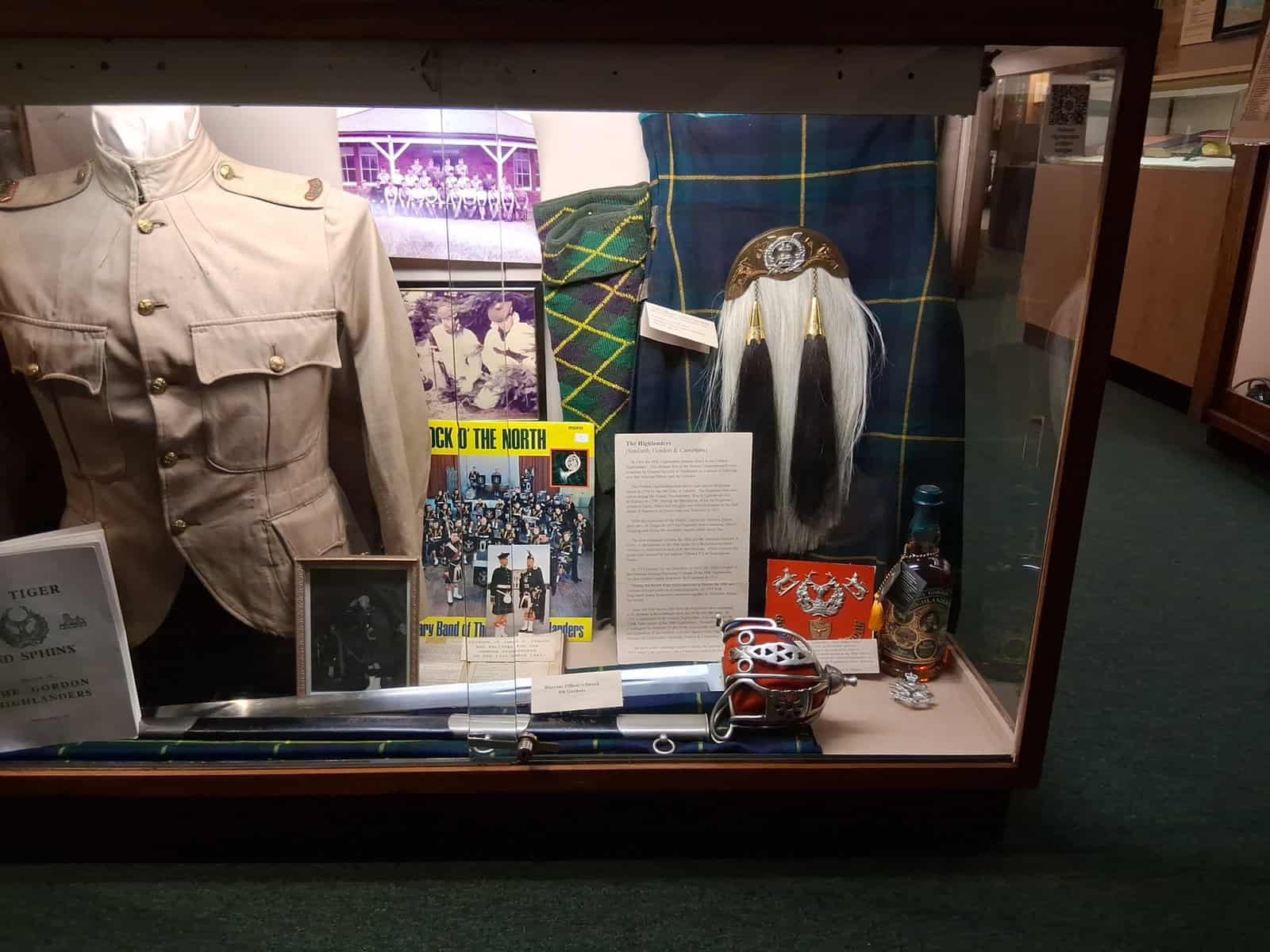
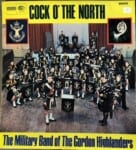
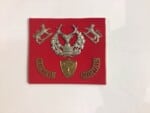
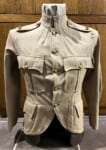
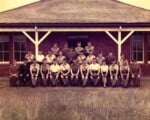
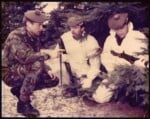
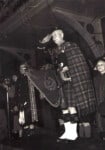
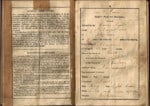
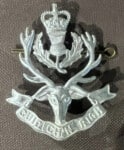
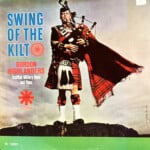


The alliance between the Gordon Highlanders and the 48th Highlanders of Canada began in May 1904, the first such alliance in the then British Empire. In Commonwealth military tradition, an “alliance” is an honorary and fraternal bond between regiments of different nations. Unlike operational partnerships, these alliances are symbolic in nature. They recognize shared values, mutual respect, and common heritage.
The Gordon Highlanders were a distinguished Scottish regiment of the British Army, created in 1881 by merging the 75th and 92nd Regiments. They earned renown for their service in major conflicts, including Afghanistan, the Boer War and both World Wars, building a reputation for courage and discipline that made them one of Scotland’s most celebrated.
For the 48th Highlanders—a Canadian regiment proudly rooted in Scottish identity—the alliance was a historic connection to the wider family of Highland regiments. The alliance affirmed shared Highland traditions and camaraderie between the regiments.
Such alliances are important because they preserve regimental spirit, create ceremonial bonds, and foster connections among soldiers across the Commonwealth. They also provide an enduring link between past and present, reminding members of their regiment’s place in a broader historical tapestry.
This particular alliance was historic as it formalized the link between Canada’s preeminent Highland regiment and one of Scotland’s most celebrated regiments. Even after the Gordon Highlanders were merged into The Highlanders (Seaforth, Gordons and Camerons) in 1994, the legacy of this bond remains an honored part of the 48th Highlanders’ heritage.
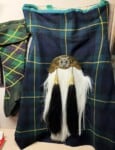
Now, a kilt, and it is on your screen.
Look at the list of artifacts on your screen. You may need to scroll down.
Find the Gordon Tartan Kilt with the Warrant Officer’s sporran and hose, and tap its picture to open its page.
Who proposed the alliance, and what was he hoping it would do for Britain and the colonies?
In nineteen oh six, a detachment of the Forty-Eighth crossed the ocean to train with the Gordons. Which king received them at Buckingham Palace?
And who presented this kilt to the museum?
Only the kilt’s own page can tell you.