35 -

LCol Charles Bent / Brig Jack Girvan

Location: On the south aisle wall to the right of the Vimy Cross.

Artifacts

Below are the records relating to the artifacts in this display. Tap/click to open the detailed description. For some displays we have Recommended particular artifacts. 

Audio guide

(79 seconds)

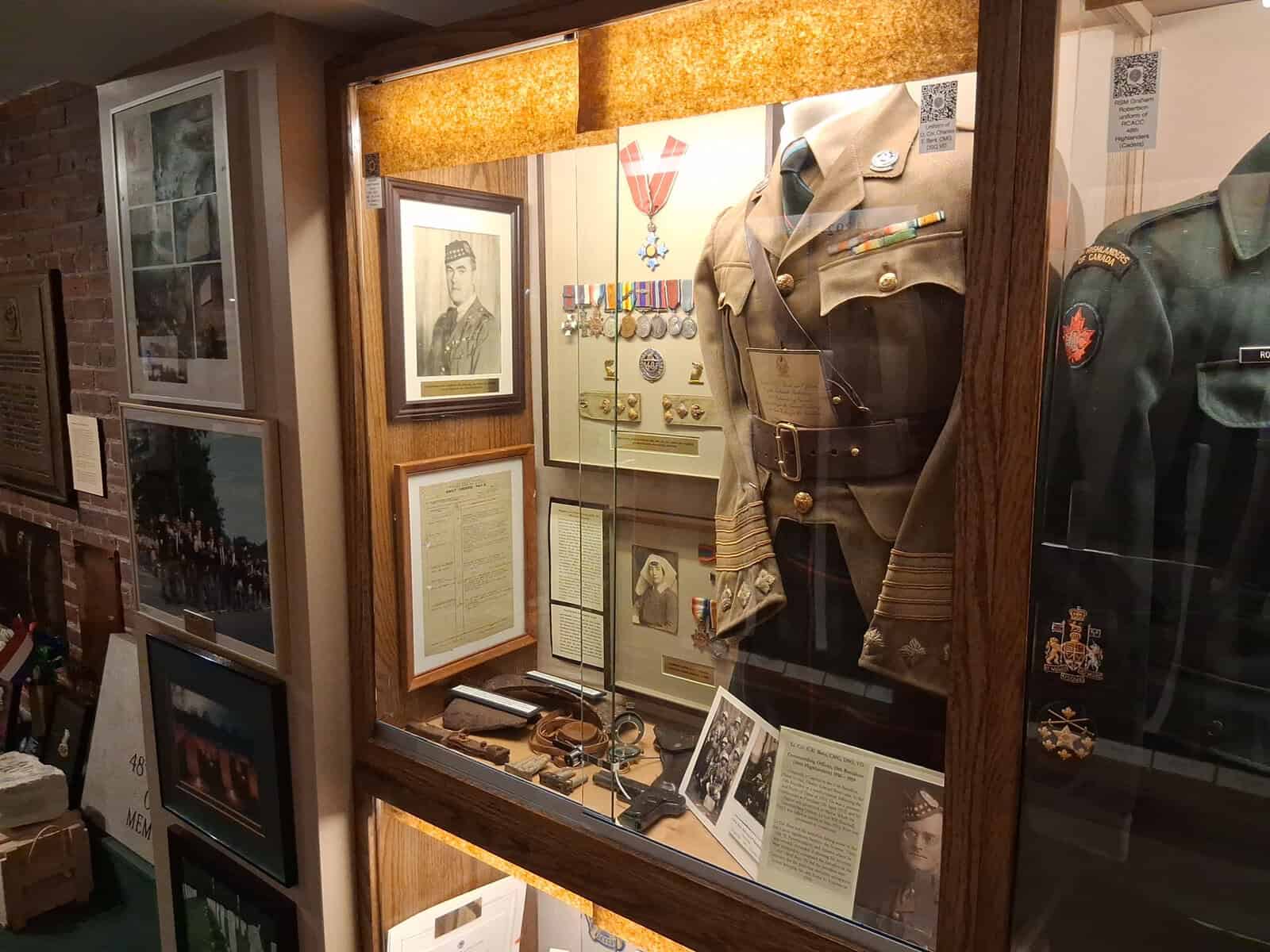
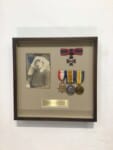
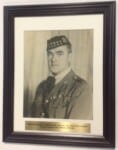
This display honours two highly decorated Highlanders.

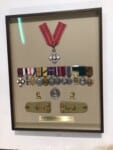
Brigadier John “Jack” Pollands Girvan CBE, DSO, MC, Croix de Guerre (1887–1961)

Brig. Girvan had a distinguished military career spanning both World Wars. Born in Scotland and raised in Toronto, Girvan joined the 15th Battalion (48th Highlanders of Canada) in 1914 as a private. He served with valour through the First World War, rising from the ranks to command the Battalion during critical battles of the Hundred Days Offensive, including Hill 70, the Drocourt-Quéant Line, and Canal du Nord. He was awarded the Military Cross, the Distinguished Service Order, and the French Croix de Guerre for his leadership and gallantry.

After the war, he resumed work with the Post Office and remained active in the militia. Girvan commanded the 48th Highlanders from 1932 to 1936 and the 2nd Battalion during the early years of the Second World War. Promoted to Brigadier, he served as Director of Military Training at National Defence Headquarters in Ottawa from 1943 to 1945, earning the Commander of the Order of the British Empire (CBE) for his service. A decorated leader and veteran of Canada’s most formative military engagements, Girvan died in Georgetown, Ontario, in 1961 and is buried in Greenwood Cemetery.

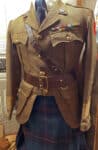
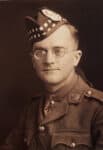
Colonel Charles Edward BENT, CMG, DSO*, VD (MID)

Lieutenant Colonel Charles E. Bent began his military service as a Captain with the 93rd Cumberland Regiment and volunteered for active duty at the outbreak of the First World War. Initially serving as Adjutant of the 17th Battalion, he transferred to the 15th Battalion (48th Highlanders) in April 1915. Following the battle of Festubert, he rose rapidly in rank—Company Commander, then Second-in-Command by December 1915, and Commanding Officer in May 1916 after the death of LCol W.R. Marshall. He led the battalion through major engagements including the Somme, Vimy Ridge, Hill 70, Passchendaele, and Amiens, where he was wounded. He resumed command in 1918 and brought the battalion home in 1919. During the Second World War, he commanded the 3rd Pioneer Battalion and later the 3rd (Reserve) Battalion, Canadian Engineers (1940–1943). In civilian life, he was a farmer and customs collector. Bent died on 27 October 1955 at age 75 and is buried in Lawrencetown, Nova Scotia.
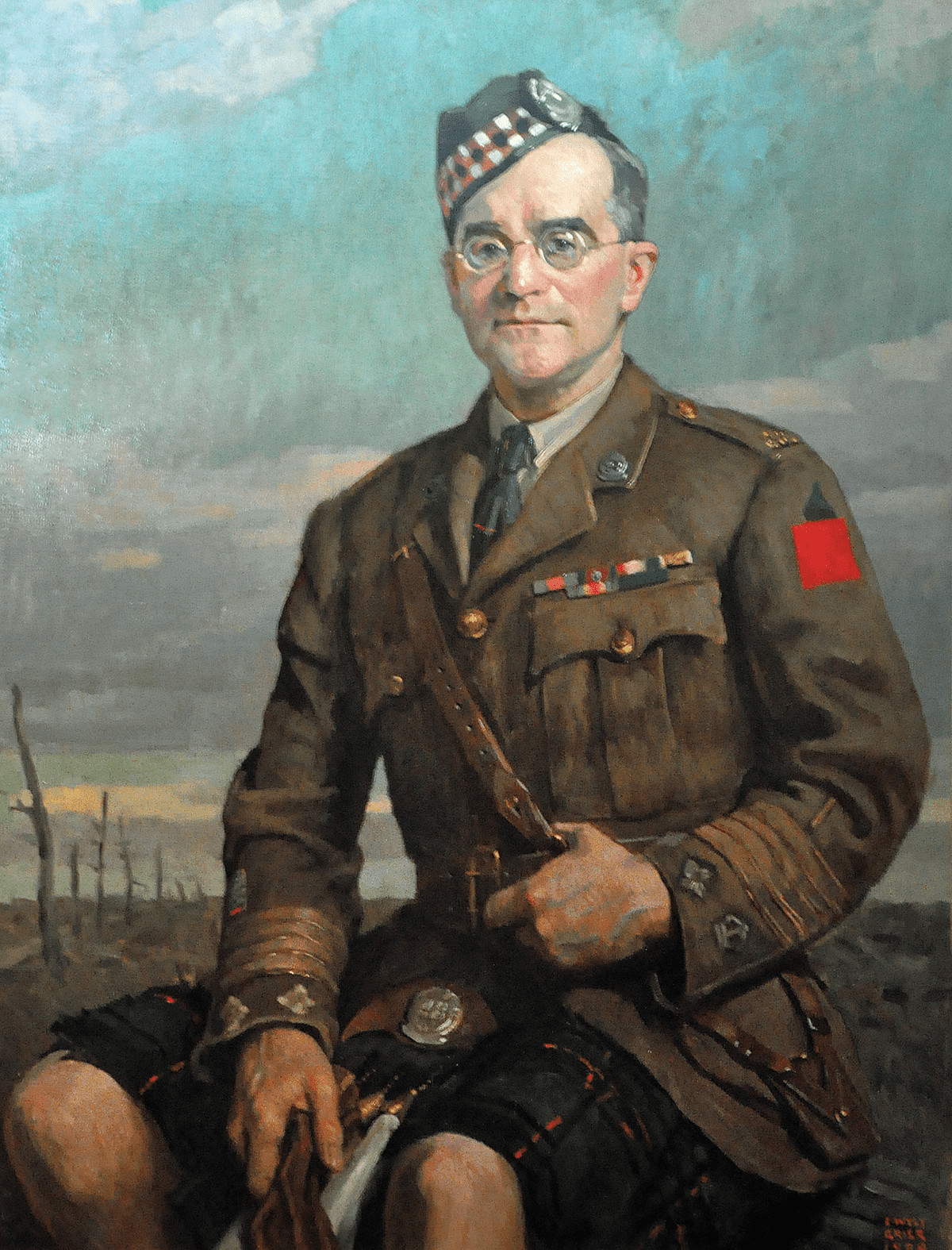
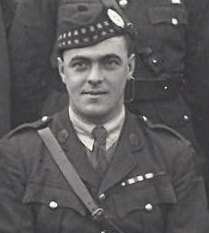
LCol Charles Bent / Brig Jack Girvan

Audio guide

(79 seconds)

This display honours two highly decorated Highlanders.

Brigadier John “Jack” Pollands Girvan CBE, DSO, MC, Croix de Guerre (1887–1961)

Brig. Girvan had a distinguished military career spanning both World Wars. Born in Scotland and raised in Toronto, Girvan joined the 15th Battalion (48th Highlanders of Canada) in 1914 as a private. He served with valour through the First World War, rising from the ranks to command the Battalion during critical battles of the Hundred Days Offensive, including Hill 70, the Drocourt-Quéant Line, and Canal du Nord. He was awarded the Military Cross, the Distinguished Service Order, and the French Croix de Guerre for his leadership and gallantry.

After the war, he resumed work with the Post Office and remained active in the militia. Girvan commanded the 48th Highlanders from 1932 to 1936 and the 2nd Battalion during the early years of the Second World War. Promoted to Brigadier, he served as Director of Military Training at National Defence Headquarters in Ottawa from 1943 to 1945, earning the Commander of the Order of the British Empire (CBE) for his service. A decorated leader and veteran of Canada’s most formative military engagements, Girvan died in Georgetown, Ontario, in 1961 and is buried in Greenwood Cemetery.

Colonel Charles Edward BENT, CMG, DSO*, VD (MID)

Lieutenant Colonel Charles E. Bent began his military service as a Captain with the 93rd Cumberland Regiment and volunteered for active duty at the outbreak of the First World War. Initially serving as Adjutant of the 17th Battalion, he transferred to the 15th Battalion (48th Highlanders) in April 1915. Following the battle of Festubert, he rose rapidly in rank—Company Commander, then Second-in-Command by December 1915, and Commanding Officer in May 1916 after the death of LCol W.R. Marshall. He led the battalion through major engagements including the Somme, Vimy Ridge, Hill 70, Passchendaele, and Amiens, where he was wounded. He resumed command in 1918 and brought the battalion home in 1919. During the Second World War, he commanded the 3rd Pioneer Battalion and later the 3rd (Reserve) Battalion, Canadian Engineers (1940–1943). In civilian life, he was a farmer and customs collector. Bent died on 27 October 1955 at age 75 and is buried in Lawrencetown, Nova Scotia.
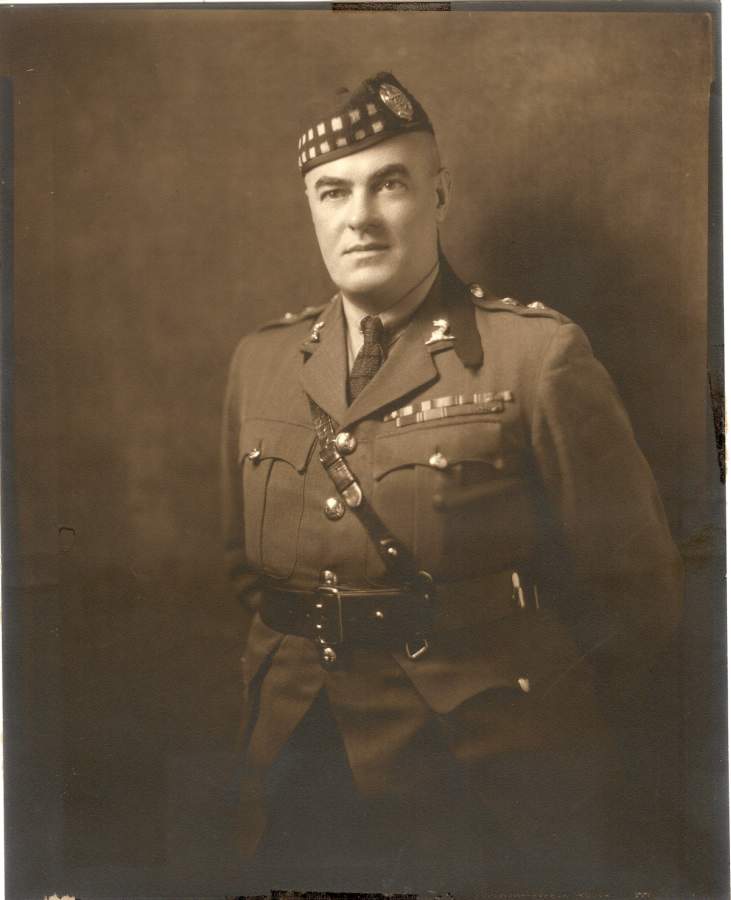
Links

Gallery

Press or click to enlarge photo

Artifacts

Below are the records relating to the artifacts in this display. Tap/click to open the detailed description. For some displays we have Recommended particular artifacts. 

↑
Subscribe
Notify me of
0 Comments
Oldest
Newest

Holiday closure

We will be closed on Saturday, July 25, 2026 and will reopen on Sunday, July 26, 2026.

While the museum is closed, our Digital Guided Tour is still open. It is the best way to explore the museum from home, with stories and context for selected displays.

You can also take our 360° Virtual Tour for a visual walk-through of the museum rooms and display cases.

We will try to respond to your email messages as soon as possible.