28 -

Bands

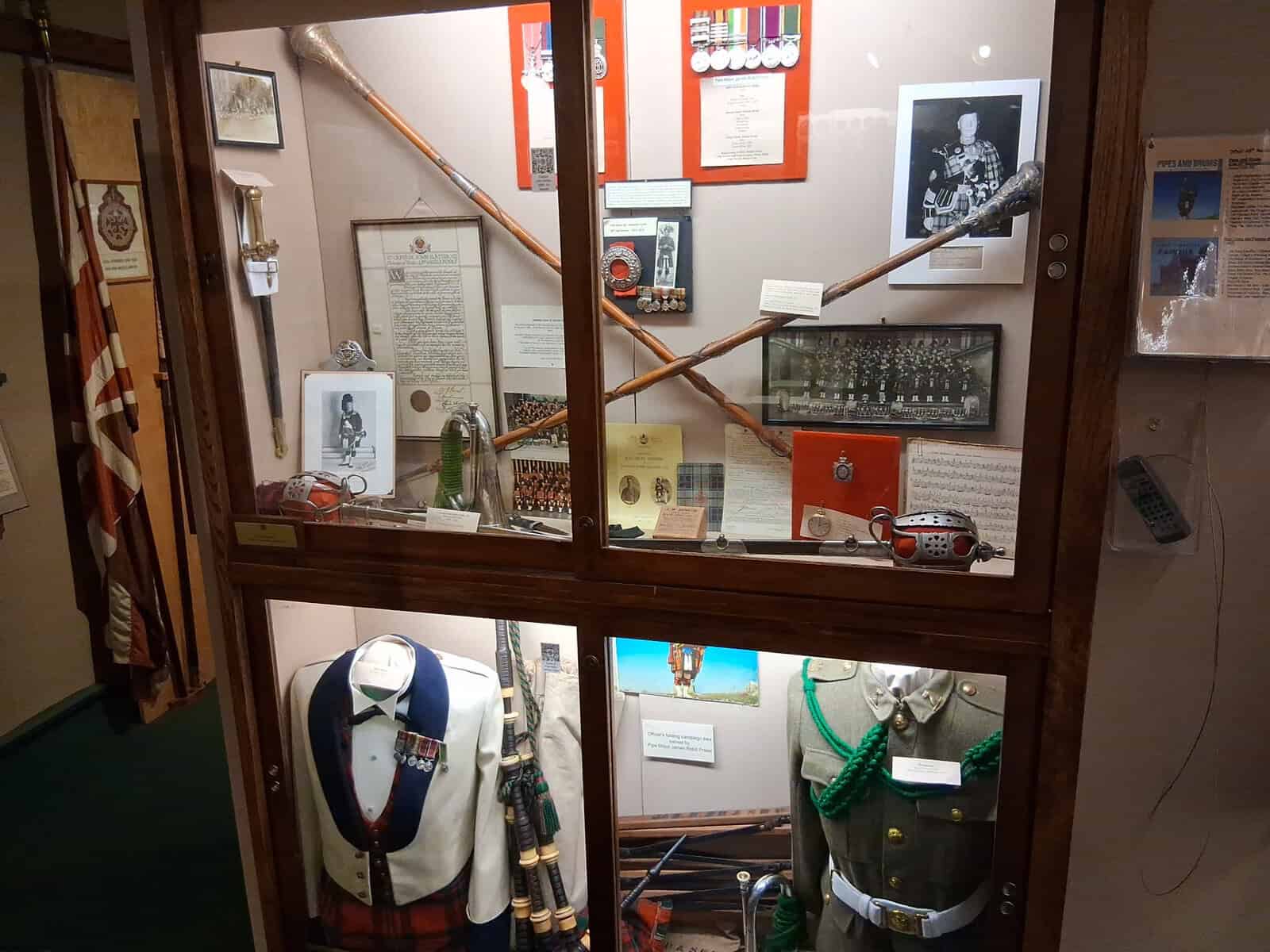
Location: At the far end of the south aisle away from the window wall

Artifacts

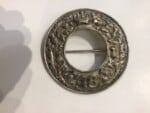
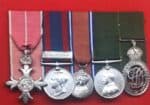
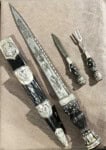
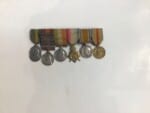
Below are the records relating to the artifacts in this display. Tap/click to open the detailed description. For some displays we have Recommended particular artifacts. 

Audio guide

(82 seconds)

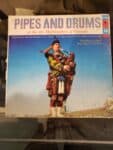
The Great Highland Bagpipe is a powerful emblem of Scottish military and cultural heritage. Instruments resembling bagpipes were known in ancient Rome. The Great Highland Bagpipe developed in Scotland over time, becoming prominent in the 17th century when it was adopted by the clans. It became a tool of leadership and a form of communication. Its loud, penetrating sound could be heard over the din of battle, making it a powerful psychological weapon to incite courage in friendly troops and sow fear in enemies. The pipes became linked with the Highland way of life and, consequently, with the Highland regiments formed after the 1745 Jacobite Rising. Following this rebellion, the British government passed the Act of Proscription of 1746, which, in a bid to suppress Highland culture, outlawed many of their customs, including the wearing of kilt. The pipes, however, were an exception, as they were cleverly exempted, classified as an instrument of war, not music.

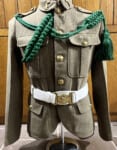
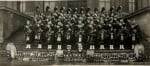
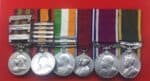
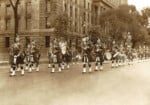
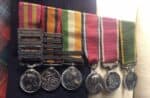
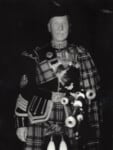
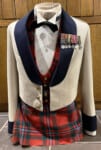
In 1892 the regimental committee appointed Robert Ireland to the first term of the newly formed Pipe Band. Later that year a Military (brass) Band was established to add further to the presence of the 48th. The Military Band was retired in 1965 under a government cutback. The 48th had a third band, the Bugle Band for periods in the early years, then reemerged for the Great War and was finally retired in 1936. Two Highlanders, Pipe Major James Fraser and Captain John Slatter, MBE would serve 60 and 50 years respectively leading the 48th Highlanders bands.

There is another display relating to our bands on the West Wall.


Bands

Audio guide

(82 seconds)

The Great Highland Bagpipe is a powerful emblem of Scottish military and cultural heritage. Instruments resembling bagpipes were known in ancient Rome. The Great Highland Bagpipe developed in Scotland over time, becoming prominent in the 17th century when it was adopted by the clans. It became a tool of leadership and a form of communication. Its loud, penetrating sound could be heard over the din of battle, making it a powerful psychological weapon to incite courage in friendly troops and sow fear in enemies. The pipes became linked with the Highland way of life and, consequently, with the Highland regiments formed after the 1745 Jacobite Rising. Following this rebellion, the British government passed the Act of Proscription of 1746, which, in a bid to suppress Highland culture, outlawed many of their customs, including the wearing of kilt. The pipes, however, were an exception, as they were cleverly exempted, classified as an instrument of war, not music.

In 1892 the regimental committee appointed Robert Ireland to the first term of the newly formed Pipe Band. Later that year a Military (brass) Band was established to add further to the presence of the 48th. The Military Band was retired in 1965 under a government cutback. The 48th had a third band, the Bugle Band for periods in the early years, then reemerged for the Great War and was finally retired in 1936. Two Highlanders, Pipe Major James Fraser and Captain John Slatter, MBE would serve 60 and 50 years respectively leading the 48th Highlanders bands.

There is another display relating to our bands on the West Wall.


Artifacts

Below are the records relating to the artifacts in this display. Tap/click to open the detailed description. For some displays we have Recommended particular artifacts. 

↑
Subscribe
Notify me of
0 Comments
Oldest
Newest

Holiday closure

We will be closed on Saturday, July 25, 2026 and will reopen on Sunday, July 26, 2026.

While the museum is closed, our Digital Guided Tour is still open. It is the best way to explore the museum from home, with stories and context for selected displays.

You can also take our 360° Virtual Tour for a visual walk-through of the museum rooms and display cases.

We will try to respond to your email messages as soon as possible.